
We read the building before we touch the animal.
Our method runs in five steps. Structural inspection, exposing access routes, mechanical removal, structural sealing, and follow-up. A typical project takes five working days. Chip and Dale would admire the thoroughness. They would not be happy with the outcome, mind you, because we keep them out.
Step 1, structural inspection
We do not start with a can of poison but with a thorough inspection. Maarten Cok and his team walk the building, look at crawl space, facade, roof and basement, and use camera inspection where needed. We want to understand the building we are dealing with and the route the rat has taken.
What the resident or manager already knows helps a lot. Traces, sounds, times of day and prior treatments are the starting point of our inspection.
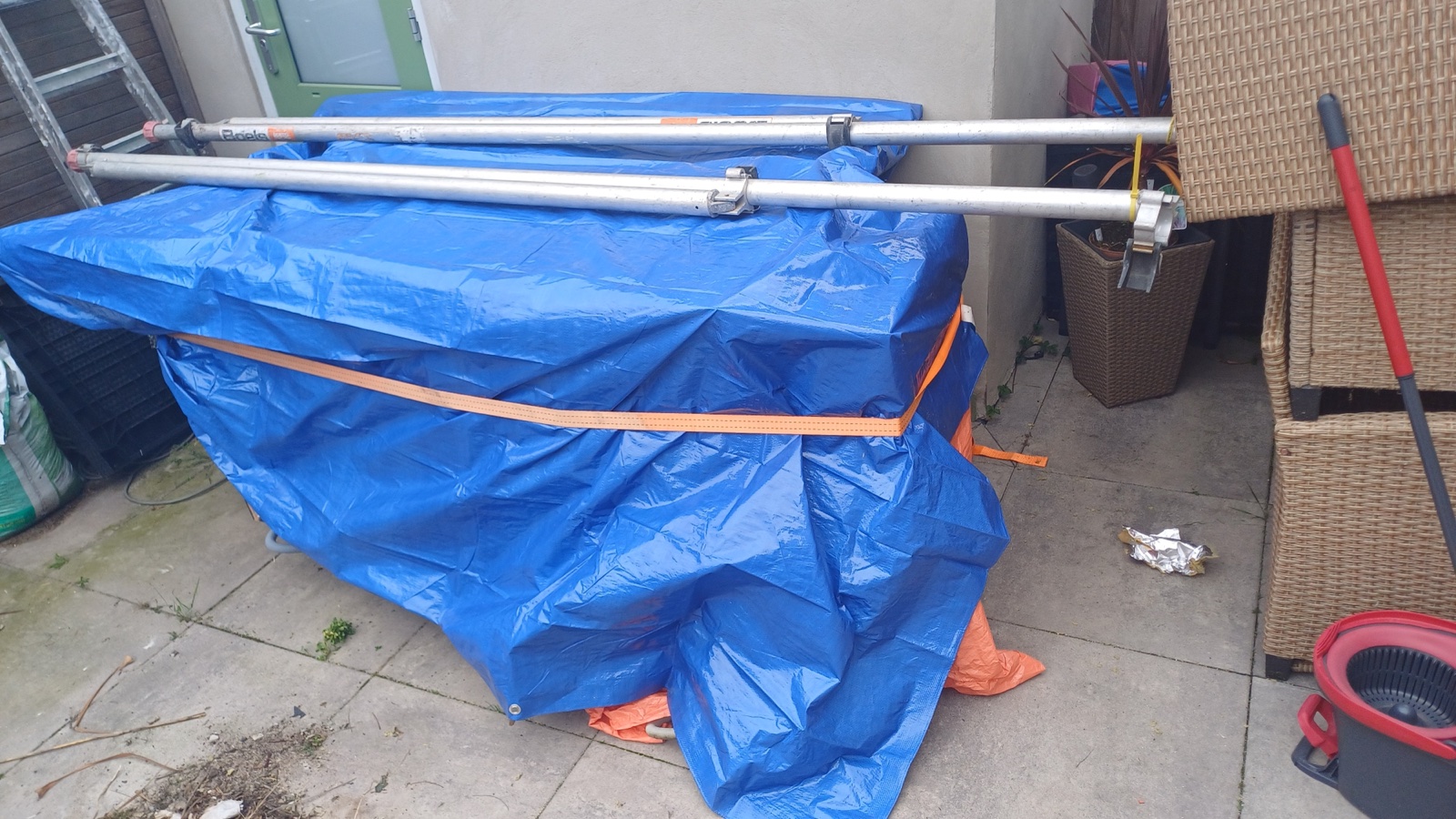
Step 2, exposing access routes
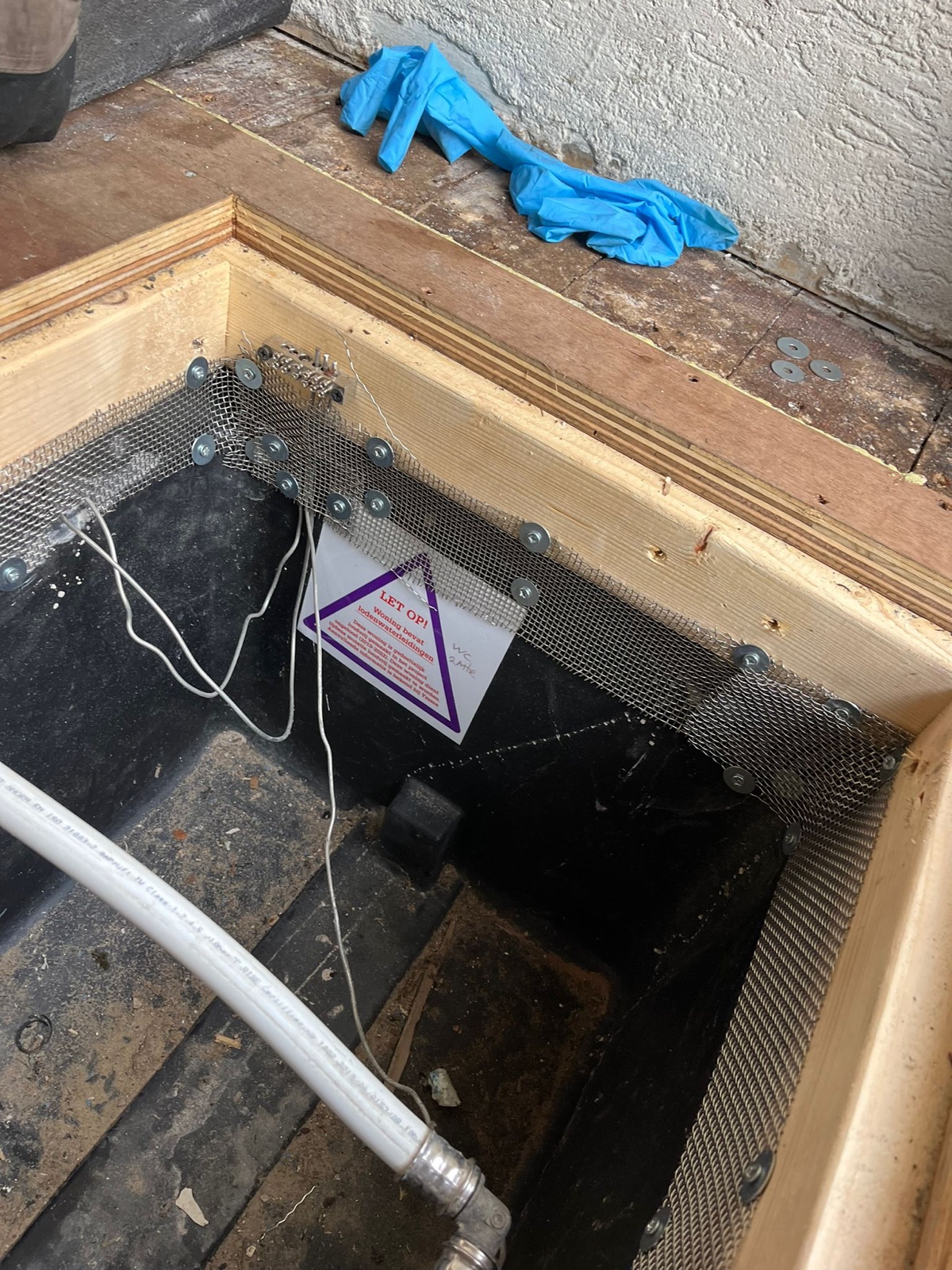
A rat rarely enters through an open door. We follow traces into cavity walls, sewers, ventilation shafts and crawl spaces. The aim is to record every route the rat uses to reach the building.
Most pest controllers stop at the first find. We continue until we are sure no second or third route is still open. That is the difference clients notice.
Step 3, mechanical removal
Only after we understand the building do we move to removing what is present. Mechanically, using traps where needed. No poison, no biocides.
Carcasses are removed properly. We keep a record of what was found so our report reflects the facts.
Step 4, structural sealing
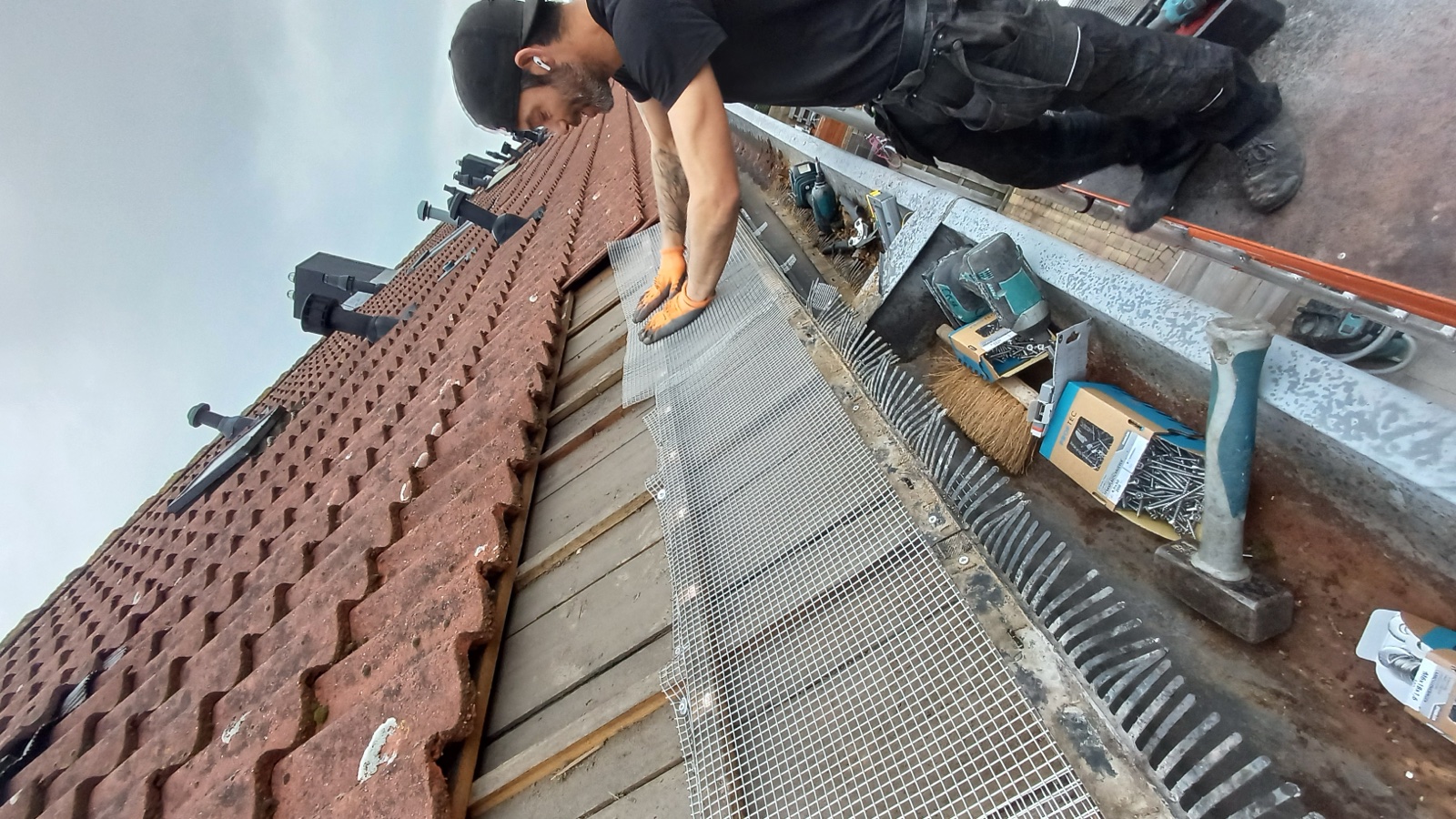
This is where Maarten Cok's construction experience comes through most strongly. Every access route we exposed is durably sealed, with the right materials in the right place rather than a temporary bandage.
This is the step that prevents the problem from returning. Skipping it means treating rats rather than keeping them out.
Step 5, follow-up and monitoring
We return at agreed intervals. Not for show, but to verify the building stays sealed and no new traces appear. If there is any doubt, we do an extra round or an additional intervention without you having to restart a project.
Typical duration in practice
A typical project takes five working days. A small residential case can be done in two or three days. A large or multi-route file in an association complex can take longer. We are honest about that during inspection and plan in consultation with you.
What you receive and what you pay
After the inspection you receive a written plan with the situation found, the recommended interventions and a price estimate. No hidden costs, no subscription, no automatic follow-on jobs.
What our clients notice
The main signal: silence. No more sounds behind the wall, no more droppings in the meter cupboard, no more reports from the tenant we spoke to two weeks earlier. For an association it means a file closes. For a resident it means the house is a house again.
Want to start a project? Request an inspection and we will book the next working day that suits you.